

Laminate is becoming increasingly popular in the modern interior industry thanks to its diverse designs, high durability, and reasonable cost. This article provides a detailed analysis of the characteristics, classification, applications, and key factors to consider when choosing laminate for your interior space. From understanding its basic structure to technical standards and maintenance, readers will gain a comprehensive view of this versatile material.
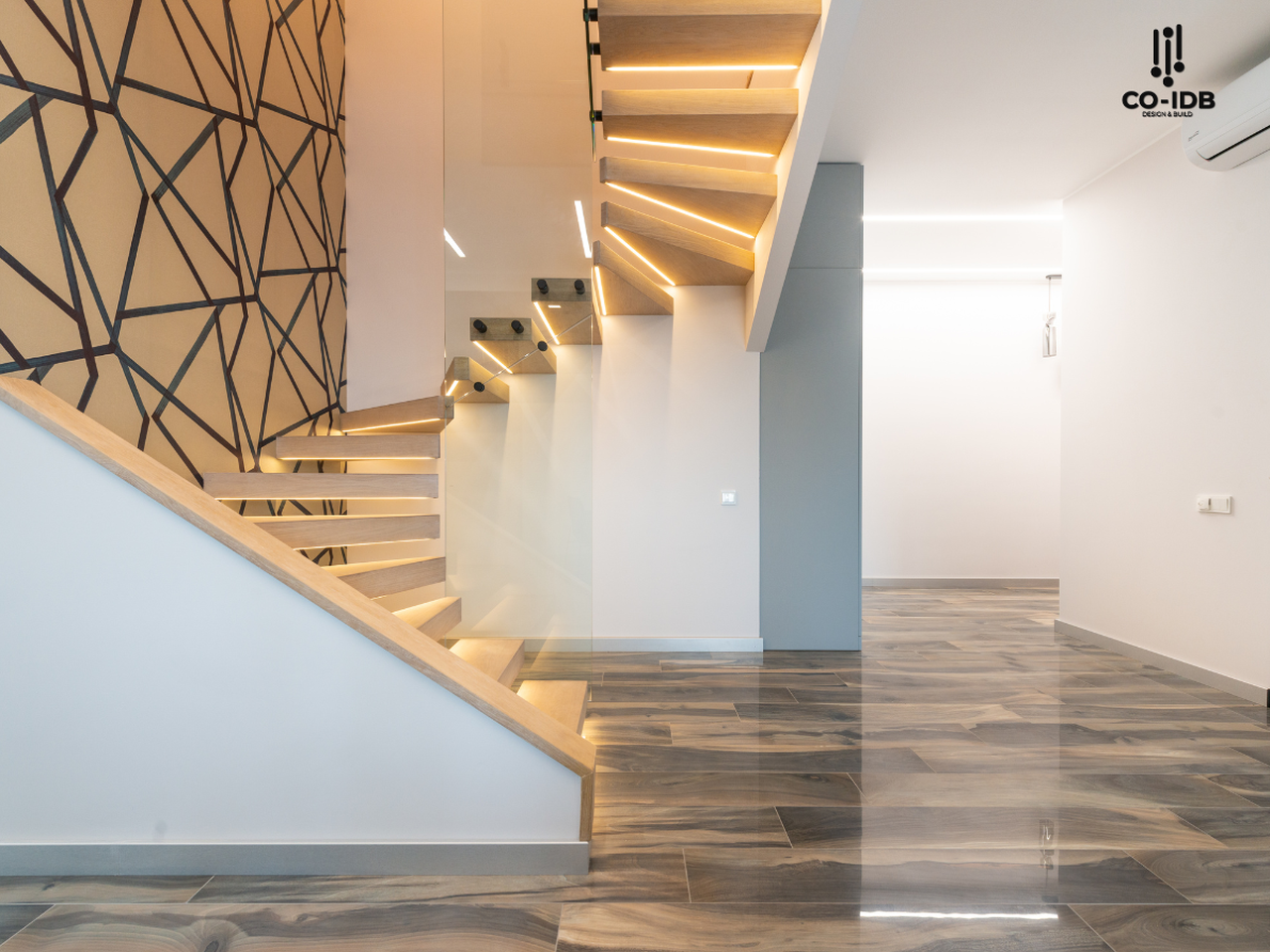
What is Laminate?
Laminate is defined as a multi-layered synthetic composite material, typically consisting of a core layer (often wood or plywood) and a surface coating (melamine or phenolic resin). The origins of laminate date back to the early 20th century as manufacturers sought alternatives to natural wood. Modern production technology now allows for high-quality laminate products that meet diverse needs in interior design.
According to National Business Furniture, Laminate is an engineered material usually made of resin and bonded to a composite base. It is categorized into two main types: High-Pressure Laminate (HPL) and Low-Pressure Laminate (LPL).
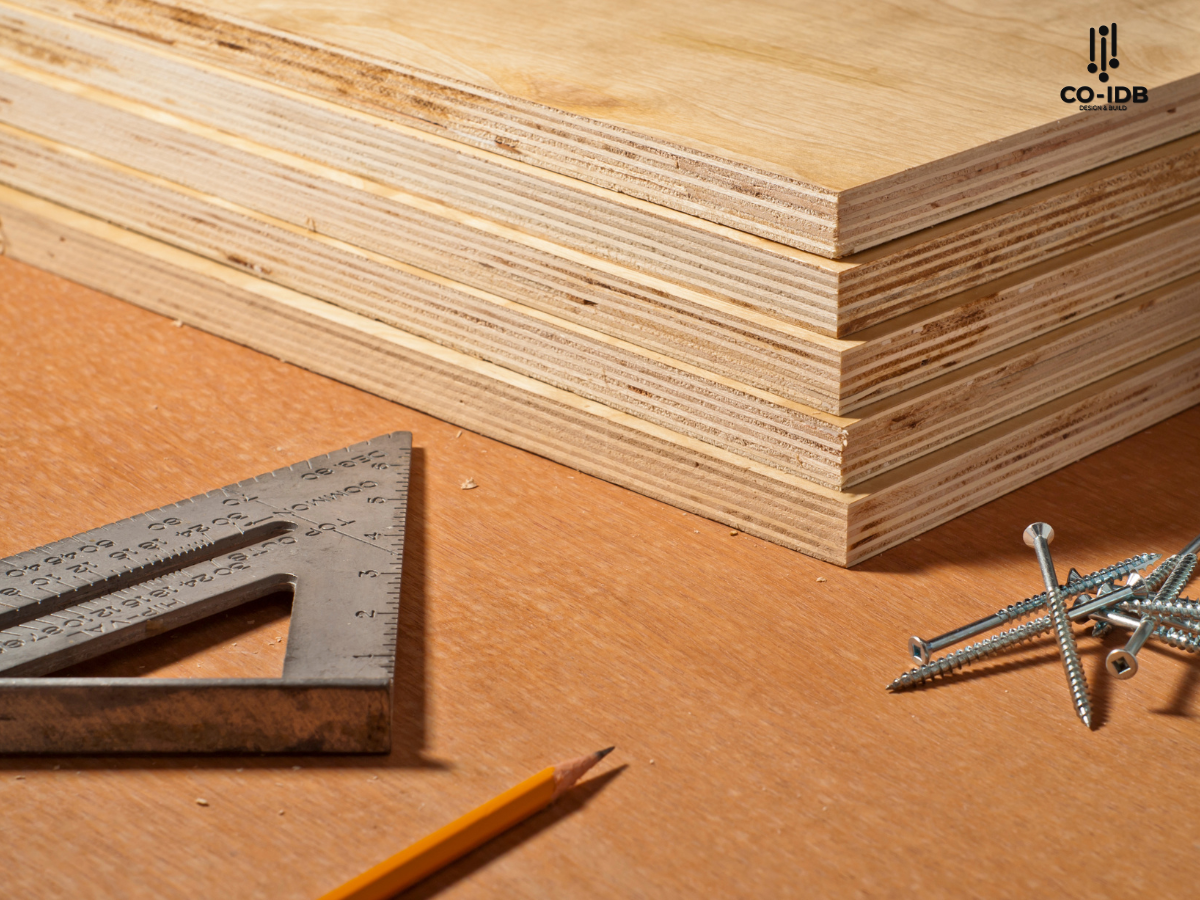
Classification by Production Technology
High-Pressure Laminate (HPL) is manufactured under high pressure (>70 bar) and high temperature (>140°C). HPL offers superior durability, excellent scratch resistance, and a wide variety of designs. Low-Pressure Laminate (LPL) is produced at lower pressure (<30 bar) and is suitable for applications with moderate durability requirements.
| Criteria | HPL | LPL |
| Production Pressure | >70 bar | <30 bar |
| Thickness | 0.5 – 1.5mm | 0.2 – 0.5mm |
| Durability | High | Medium |
| Cost | Higher | Lower |
| Applications | Countertops, Kitchen Cabinets | Office Furniture |
Pros and Cons of Laminate
Outstanding Advantages
In the interior industry, Laminate is a resilient material designed to withstand high-frequency use and high-impact environments. This makes it a popular choice for commercial offices, home offices, clinics, schools, and high-traffic areas. Compared to natural wood or veneer, laminate is easier to care for and maintain:
- Durable, industrially manufactured surface.
- Resistance to scratches, stains, and high temperatures.
- Easy to clean and simple maintenance.
- Modern, trend-aligned designs.
- Affordable pricing and fast production turnaround.
Cons to Consider
One drawback of Laminate is its limited moisture resistance, especially at the seams. Repairing damaged laminate is relatively difficult compared to other materials. Additionally, some types may fade if exposed to direct sunlight for extended periods.
Laminate vs. Similar Materials
| Criteria | Laminate | Veneer | Melamine | Natural Stone |
| Cost | Medium | High | Low | Very High |
| Durability | High | Medium | Low | Very High |
| Maintenance | Easy | Difficult | Easy | Complex |
| Design Variety | Very High | Limited | Medium | Limited |
Applications in Interior Design
Stone-Grain Laminate: The Natural Stone Alternative
Stone-grain laminate provides an effective alternative to natural stone. Modern printing technology accurately reproduces the beauty of marble and granite at a significantly lower cost. It is durable, easy to clean, and requires no complex maintenance.
Laminate Flooring for Offices
Laminate flooring is a common solution in modern offices. Its multi-layer structure (moisture-proof layer, HDF core, decorative layer, and anti-scratch coating) makes it suitable for high-load environments, providing both aesthetic appeal and longevity.
Laminate Wall Panels
Laminate is a popular choice for wall paneling due to its moisture resistance and aesthetic variety. These panels protect walls from mold and scratches while creating a luxurious focal point. They can simulate wood, stone, or modern patterns to match any professional office style.
Maintenance and Cleaning Tips
High-quality laminate can last 10-20 years. To maintain its beauty, follow these principles:
- Use neutral detergents for cleaning.
- Avoid using metal scouring pads or abrasive tools.
- Wipe dry immediately after cleaning; do not let water sit on the surface.
- Protect from direct prolonged sunlight.
Estimated Costs and Pricing
Costs vary based on thickness, brand, and application:
- Standard Laminate: 300,000 – 600,000 VND/m².
- Anti-scratch & Moisture-resistant: 600,000 – 1,200,000 VND/m².
- Thin Laminate (0.8 – 1.0 mm): 200,000 – 500,000 VND/m².
Total project costs also depend on installation labor, adhesives, and edge-banding accessories.
In conclusion, laminate is a versatile material with outstanding advantages for modern interior design. Understanding its properties will help you maximize its potential in your workspace.
>> See more: Vinyl Materials and Their Applications for Offices